
Why Size Matters
A knee support only does its job if it stays where it should. A sleeve that is a size too big creeps down towards your shin as you move. One that is too small can feel tight behind the knee, and a support that feels uncomfortable usually ends up in a drawer. Sizing is also where products differ most, which is why it pays to measure rather than guess.
Before You Start
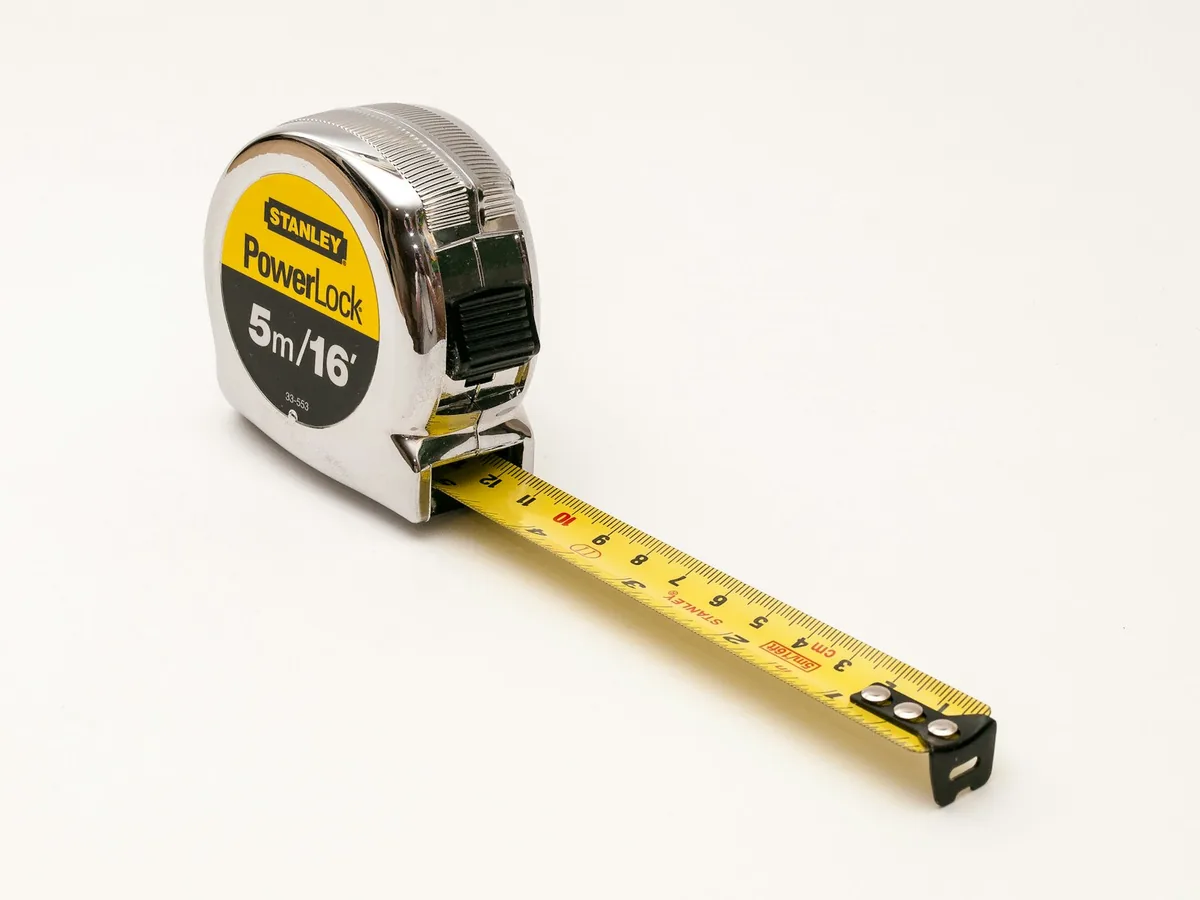
- A soft tape measure – the flexible cloth or plastic kind used for sewing; a rigid builder's tape will not follow the curve of the leg
- The maker's size chart – every brand sets its own sizes and its own measuring points, so a medium from one brand is not a medium from another
- A pen and paper – write the numbers down in centimetres or inches, whichever the chart uses
- A little time – measure in the afternoon or evening if you can, as legs can be slightly larger later in the day
Step by Step
Follow the exact instructions for the product you are buying, because some charts use the thigh, some the knee and some the calf. The general method is similar:
- 1. Sit or stand as the chart says – many charts ask you to sit with the knee bent at a right angle or to stand with the leg relaxed; check which
- 2. Find the measuring point – this is often the middle of the kneecap, or a set distance above and below it; the chart will say where, so do not assume
- 3. Wrap the tape snugly – it should touch the skin all the way round without pressing in or leaving a dent
- 4. Read and note the figure – take it twice and write down both; if they differ, measure a third time
- 5. Measure both legs – your two legs may be a different size; use the larger one if the sizes differ, unless the maker advises otherwise
- 6. Compare with the chart – if you fall between two sizes, read the maker's note on whether to go up or down; it varies by product
Checking the Fit When It Arrives
- It stays put – walk, climb the stairs and sit down; if it slides, it is probably too big
- It is snug, not tight – you should be able to slide a finger under the edge; numbness, tingling, a cold foot or marks that last long after you take it off mean it is too tight
- It does not bunch behind the knee – a thick fold behind the joint can rub; a different size or style may suit better
- The knee still bends – you should be able to move the knee through the range you need for the activity
- The edges do not dig in – check the top and bottom edges after half an hour of wear
If a support is uncomfortable, take it off. Putting up with a poor fit is not a good plan, and a return or exchange is better than a sore leg.
Common Sizing Mistakes
- Going by your trouser size – trouser or shoe size says nothing about your knee or thigh measurement
- Measuring over clothing – thick fabric adds to the figure; measure over bare skin or thin clothing
- Assuming brands match – a medium in one range may be a large in another, so use the chart every time
- Measuring one leg only – compare both and note the difference
- Ignoring the return policy – if sizing is unclear, buy from somewhere that allows exchanges
Wearing and Caring for It
Put a support on over clean, dry skin unless the instructions say otherwise. Some people wear a thin layer underneath to cut down rubbing. Follow the washing instructions on the label, as many neoprene and knitted supports are hand-washed and air-dried, and heat can shorten the life of the elastic. A worn-out support that has stretched will no longer fit as it did, so measure again if you replace it.
How long to wear one is a question for the clinician who suggested it, if there is one. Don't treat a support as something to sleep in or wear all day unless the maker or a clinician says that is intended.
When to Stop and Get Advice
Take the support off and get advice if the knee swells up, the pain gets worse, your leg goes numb or tingly, or the skin is red or sore. The NHS says to contact 111 if the knee is badly swollen, has changed shape, locks or gives way, or you cannot put weight on it, and to see a GP if knee pain has not improved within a few weeks (see the NHS page on knee pain).
A Support Is Not a Treatment
A knee support is something you wear, not something that treats a knee problem. It will not mend an injury or cure a condition, and it is no substitute for finding out what is causing the trouble. The NHS page on knee pain says to see a GP if knee pain has not improved within a few weeks, and to contact NHS 111 if the knee is very painful, badly swollen or has changed shape, you cannot put weight on it, or it locks or gives way. In many areas you can also refer yourself to an NHS community musculoskeletal (MSK) service for physiotherapy without seeing a GP first.
If you are still deciding which kind of support to look at, start with our guide to knee sleeves, braces and straps.
We may earn a commission when you buy through links on our site. Learn more · How we rank products